Mango Letters Font Review
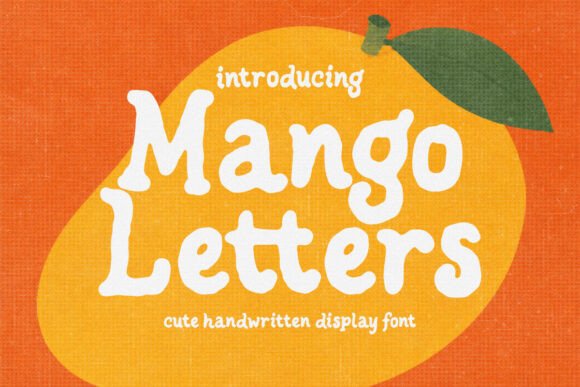
As a small business owner, I’ve learned that the right font can transform a simple label into something that feels personal, polished, and unforgettable. When I recently updated my boutique’s product tags, I reached for Mango Letters—a display font that brings a fresh, handwritten vibe to any project. Its soft-edged, heavy letterforms feel like a warm hug for your brand, making it perfect for anything from packaging to social media graphics.
Mango Letters for Product Labels and Packaging Design
Mango Letters is a premium font that shines when used on product labels, especially for businesses with a cozy, artisanal feel. I tested it on a skincare label for a local beauty brand, and the result was striking. The rounded edges and playful curves gave the packaging a friendly, approachable look without sacrificing professionalism. It’s ideal for handmade soaps, candles, or organic products where visual warmth matters.
When using Mango Letters on small labels, it’s best to keep text short and centered. The font works well for product names, taglines, or ingredient lists. Just be mindful of spacing—too much can make it feel cluttered, and too little can reduce readability. For printed packaging, pairing it with a clean sans serif font like Open Sans helps balance the design while maintaining visual harmony.
Using Mango Letters for Business Cards and Thank-You Notes
I also tried Mango Letters on business cards for a new café. The font added a touch of personality that felt authentic to their brand. It worked especially well for the café’s name, giving it a handcrafted, inviting feel. For thank-you cards, it brought a sense of sincerity and care, making each note feel more thoughtful and personal.
While Mango Letters is a display font, it’s not always the best choice for long paragraphs. That said, it makes a great accent for short phrases, logos, or headings. If you’re using it for a logo, consider how it will scale. On smaller sizes, the details might get lost, so it’s better suited for larger, eye-catching elements rather than body text.
Mango Letters for Social Media Graphics and Online Shop Banners
For an online shop, Mango Letters transformed the banners on a handmade jewelry store’s website. The font added a vibrant, energetic feel that matched the brand’s playful aesthetic. It worked well for headlines, promotional text, and call-to-action buttons. The soft edges made the visuals feel less aggressive, which is important for creating a welcoming digital space.
On social media thumbnails, Mango Letters stood out without overwhelming the image. It’s especially effective for Instagram posts, Facebook ads, or Pinterest pins where visual impact matters. Just remember to test it on different screen sizes—on mobile, the font should still be legible and not too ornate.
Pairing Mango Letters with Other Fonts for Brand Consistency
One of the keys to successful branding is consistency, and Mango Letters pairs well with other fonts to create a cohesive look. For a more modern feel, try combining it with a sleek sans serif like Montserrat. For a classic, elegant touch, pair it with a serif font such as Georgia or Playfair Display.
If your brand has a handwritten or artistic style, Mango Letters can act as a central element in your typography system. Use it for headers, titles, and key messages, and then use a simpler font for supporting text. This contrast helps guide the reader’s eye while keeping the overall design balanced and professional.
Mango Letters for Menus and Restaurant Branding
A local café recently updated their menu using Mango Letters, and the difference was noticeable. The font added a sense of warmth and creativity that aligned perfectly with their brand identity. It worked especially well for section headers, special offers, and featured items, making the menu feel more engaging and visually appealing.
When designing menus, it’s important to prioritize readability. Mango Letters is best used for short phrases, such as “Daily Specials” or “Signature Drinks.” Avoid using it for long blocks of text, as it may become difficult to read. Instead, use it to highlight key information and add personality to your menu design.
Choosing the Right File Formats and Licensing for Mango Letters
Before using Mango Letters on any project, check the file formats and licensing options. Most display fonts come in OTF or TTF formats, which are compatible with most design software. If you’re using it for commercial purposes, make sure the license covers your intended use, whether it’s for product packaging, digital ads, or client work.
Also, consider the language support. While Mango Letters is likely designed for English, it may not include all characters needed for other languages. If your brand serves a global audience, double-check the font’s multilingual capabilities before finalizing your design.